Dr. Caplan :
Twitter
Facebook
Instagram
LinkedIn
YouTube
TikTok
Reddit
Weekly Newsletter
Spotify Podcast
f
Past Shared Links :
My Shared Links :
Posted to Instagram (@DrBenjaminCaplan ) and/or
Posted to Twitter (@DrCaplan )
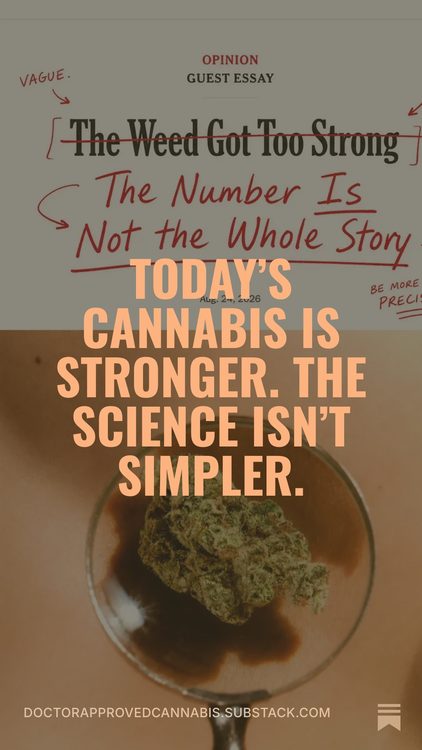
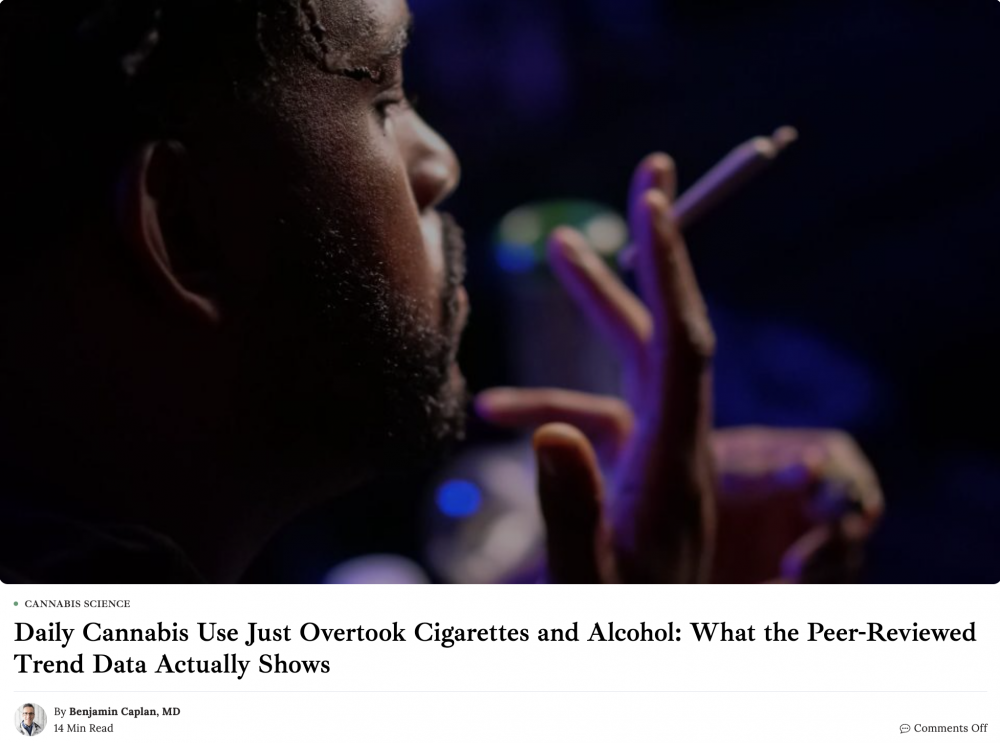
Cannabis has now passed both cigarettes and alcohol in daily or near-daily use, marking a striking change in American behavior. This CED Lens report breaks down the data through skeptical, favorable, clinical, public health, policy, and health equity perspectives so readers can explore what the findings show, what they suggest, and where the evidence stops.
My latest essay in Psychology Today explores how accurate information, especially in cannabis coverage, can still leave readers with the wrong understanding.
Read “When True Information Teaches the Wrong Lesson”
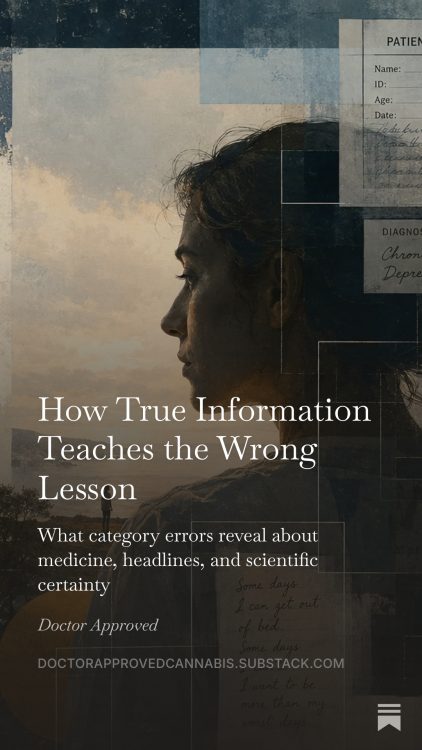
The stories that travel farthest are often the cleanest ones. They have a clear cause, a clear lesson, and no inconvenient uncertainty. That may be exactly why we should examine them more carefully.
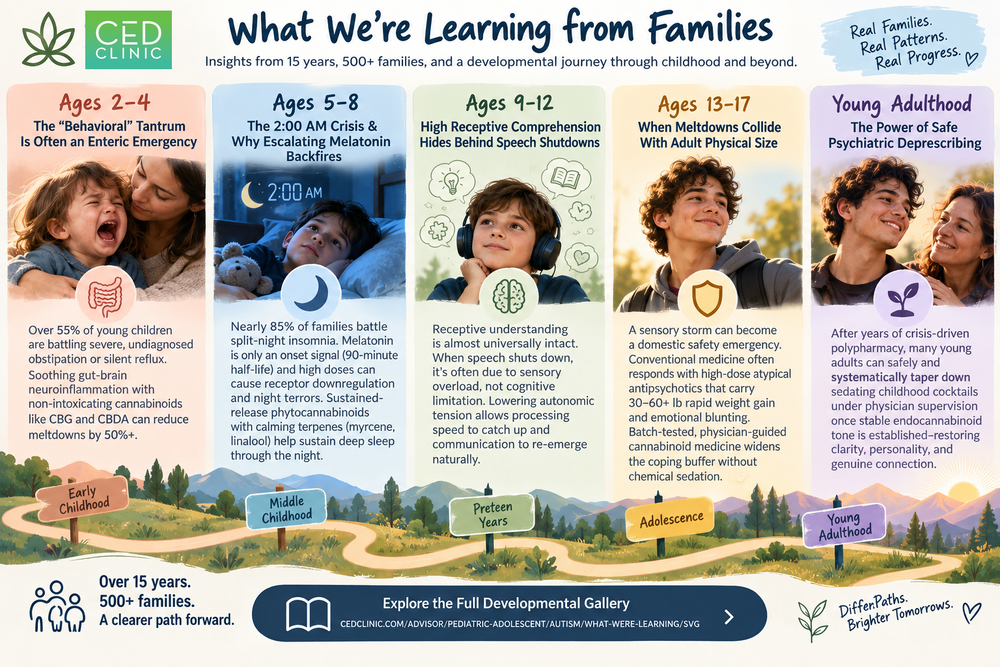
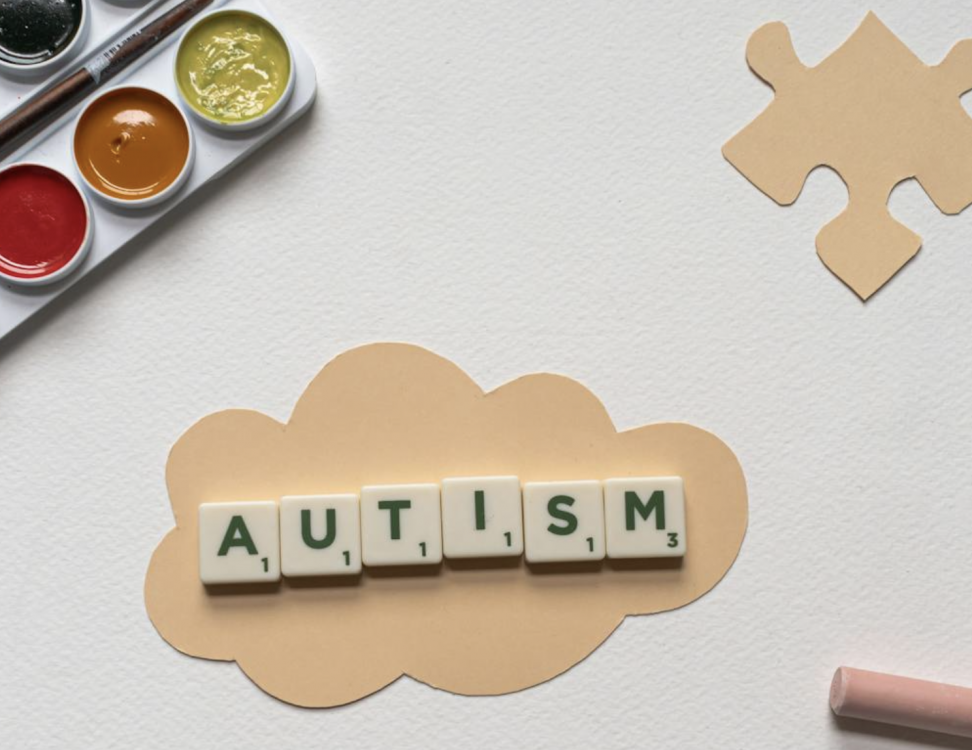
27 months. That’s how long researchers followed children with severe ASD on purified CBD. The behavioral improvements seen at 3 months? Still there at 27. Most pediatric cannabis studies end at 12 weeks. This one went nearly 2 years.
40% of children with severe autism in this study had their other medications reduced during 27 months on purified CBD. Risperidone. Aripiprazole. Metabolic burden. Weight gain. Real tradeoffs families are already navigating. This isn’t a verdict. It’s a signal worth taking seriously.
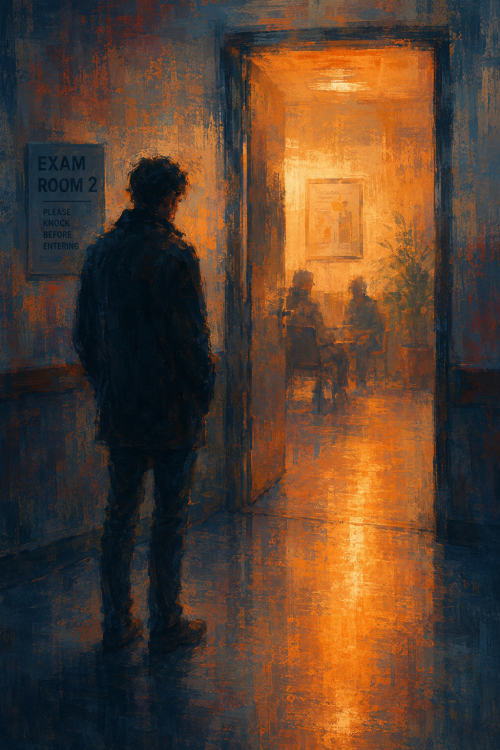
Patients don’t hide the truth because they want to; they hide it because the exam room often feels like a courtroom. This essay explores the phenomenon of the “edited patient,” the stigma around treatments like cannabis, and why a doctor’s real job is making the room safe enough for the whole story.
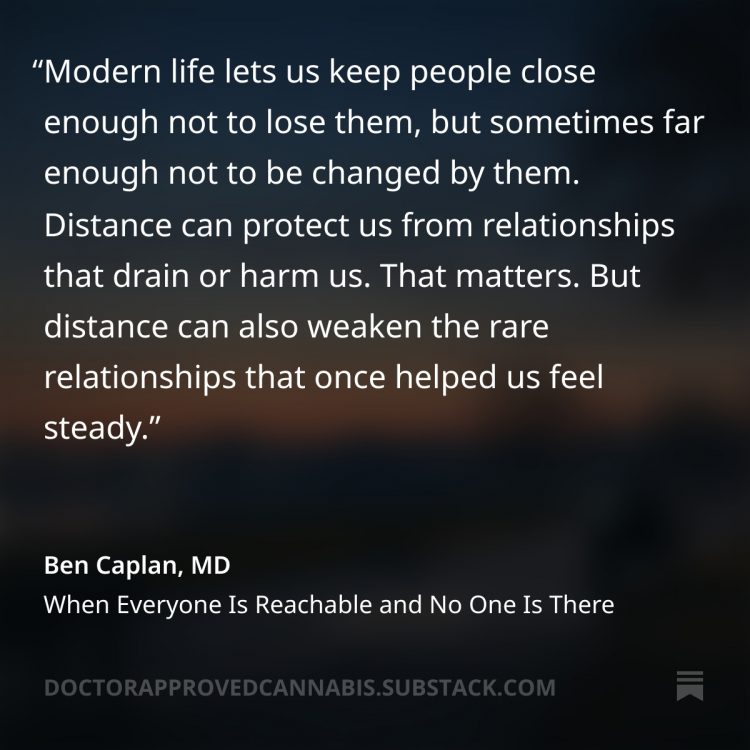
We’ve never been more reachable, yet so many of us navigate life without feeling truly accompanied. This essay dives into what happens when digital contact replaces physical presence—and why noticing the difference matters so much for our health.
Delivering precision cannabis medicine grounded in clinical evidence, deep expertise, and compassionate care.
Explore our Evidence Watch to find targeted answers and personalized strategies for your family’s unique health journey.
This is not just a story about cannabis. It is a story about modern medicine being forced to look at its own blind spots and decide exactly what to do next.
You can be doing everything right
and still feel like something isn’t clearing.
That’s not inconsistency.
*It’s accumulation.
The body doesn’t just respond to what you give it.
It responds to what you give it again, and again, and again.
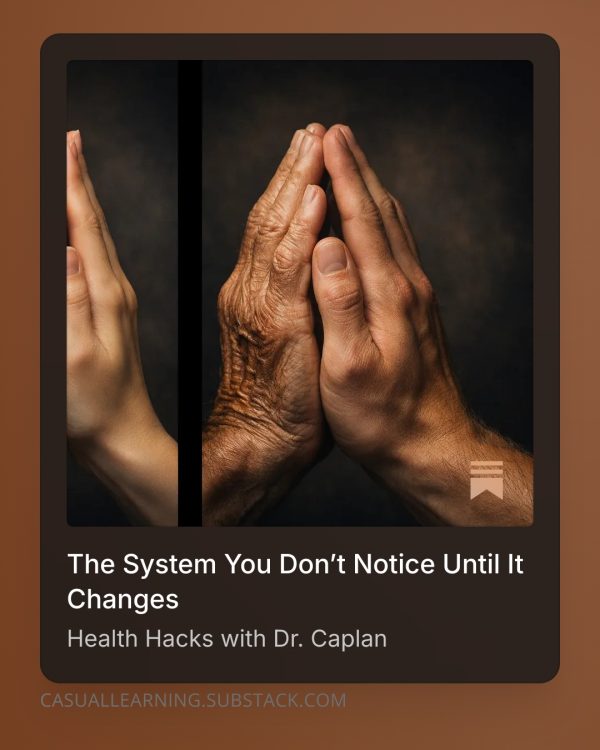
We often describe aging as the slow failure of organs.
But many people notice changes long before that: sleep becomes lighter, recovery takes longer, stress lingers.
A new human study suggests the endocannabinoid system may be part of that shift.
What the research shows—and what it doesn’t.
What this new study announces and what it actually measures are not the same thing.
Start with the big-picture overview, or go straight to the clinician-level analysis.
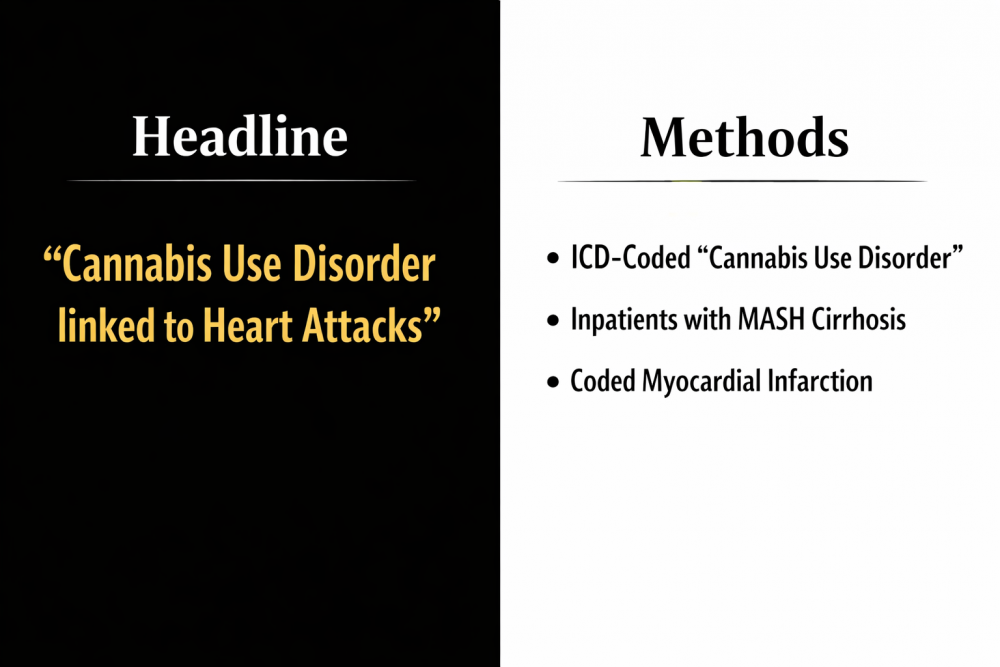
Dive deep into the details here:
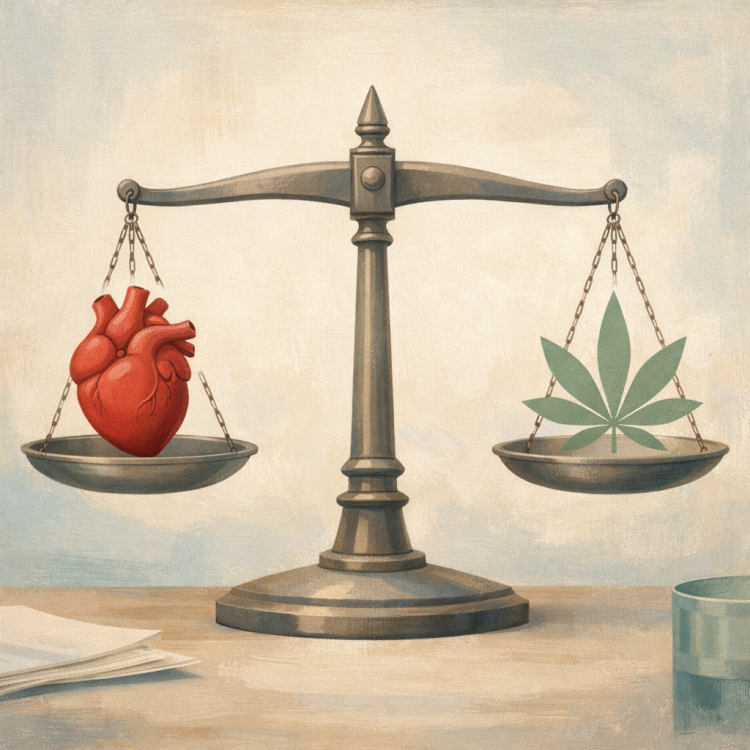
I keep seeing patients do everything right and become more fragile. This essay examines why food works better as biological signaling than as a set of rules.
Nutrition Basics Cheat Sheet:
A finite, evidence-informed list of foods with the most meaningful biological impact. Built as a reference, not a philosophy.
On Psychology Today:
Time alone can restore, and connection can regulate, yet both can feel costly at different moments. This piece examines how misreading that tension leads people to conclusions about themselves that do not hold up clinically.
Barbecue sauce first, infusion second. Smoky-sweet, tomato-forward, and portionable by the tablespoon so dinner stays predictable. Stir, measure, label, repeat. 🥄🫙🔥
Savory edibles for people who like knowing what they’re doing 🧠🧀
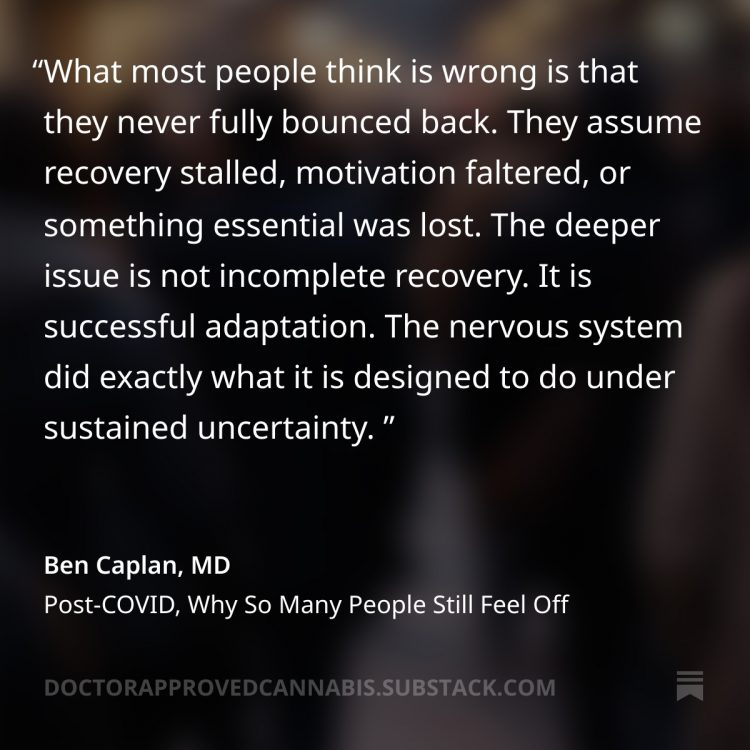
The pandemic did not end so much as it changed the baseline of daily life. We are still learning what that shift means for how we live together.
Illness is rarely a problem of parts. It is a disruption of coordination across systems.
Re Re